

Real Assets
We build future energy systems and resilient infrastructure, backing emerging opportunities in technology, land and water.
This case study provides a follow up to the work we did when first alerted to this issue in Q4 2022.
Engagement issue
Animal labour in the supply chain.
Engagement objective
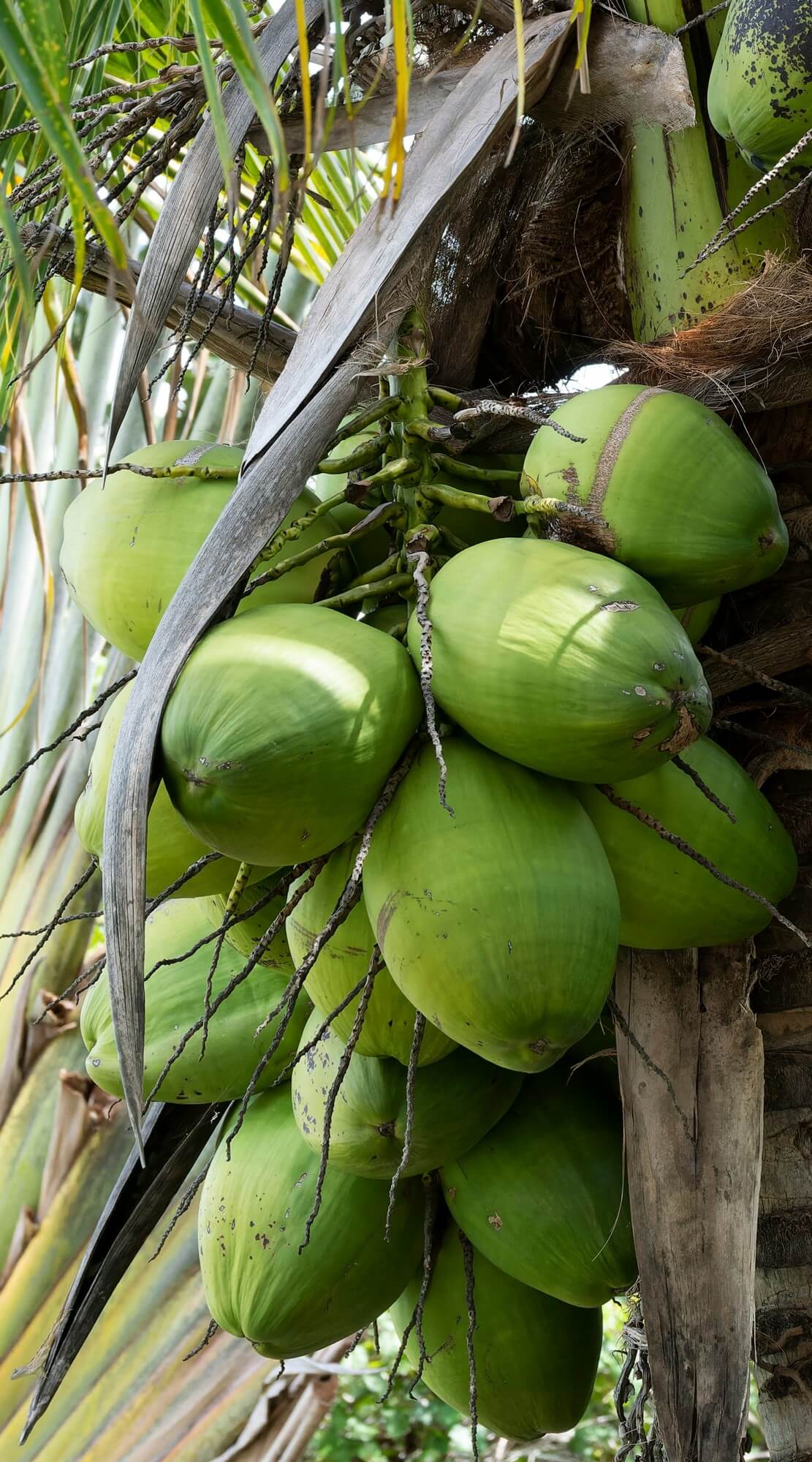
Understand the extent to which animal labour is used in the supply chain, and specifically monkeys for the harvesting of coconuts.
Scope and process
We arranged a call with a member of the Corporate Engagement team at PETA to gain a better understanding of PETA’s investigation, its interactions with HelloFresh and what a responsible transition away from Thai coconut milk would look like:
Our view
We believe that HelloFresh was establishing proportional measures to prepare for the risk as soon as it became aware of it. Understanding of the scale of the issue in Thailand has only recently become apparent to PETA. We are pleased to see that the company has made the decision and subsequent public commitment to stop sourcing form Thailand and we will continue to monitor the company’s progress on responsible sourcing of coconut milk from other geographies, as well as broader quality and assurance practices and animal welfare policies that it stated it was developing as a response to this subject.
A larger question remains about how to support low-income communities in transitioning away from using monkeys for harvesting coconuts. Support for this needs to be led by the Thai government and supported by major suppliers, which is what PETA are pushing for. We would welcome any action from HelloFresh on this however, believe that the company has taken proportional measures already.
Foresight Group LLP does not offer legal, tax, financial or investment advice and the information on this website should not be construed as such. We recommend investors seek advice from a regulated financial adviser. The opportunity described in this document may not be suitable for all investors. Any such investment decision should be made only on the basis of the Fund scheme documents and appropriate professional advice.
Foresight Group LLP acts as investment manager and is authorised and regulated by the Financial Conduct Authority with Firm Reference Number 198020 and has its registered office at The Shard, 32 London Bridge Street, London SE1 9SG.
OEICs
An investment in FP Sustainable Future Themes Fund, FP Foresight Global Real Infrastructure Fund, FP Sustainable Real Estate Securities Fund, FP UK Infrastructure Income Fund or FP WHEB Sustainability Impact Fund and FP Foresight Diversified Real Assets Fund (together the “Funds”) should be considered a long-term investment that may be higher risk. Portfolio holdings are subject to change without notice.
The Authorised Corporate Directors FundRock Partners Limited (registered office at Hamilton Centre, Rodney Way, Chelmsford, England, CM1 3BY) and Liontrust Investment Partners LLP (registered office 2 Savoy Court, London WC2R 0EZ), are authorised and regulated by the Financial Conduct Authority with Firm Reference Numbers 469278 and 518552 respectively. The Funds are incorporated in England and Wales.
ICAVs
An investment in the WHEB Sustainable Impact Fund and the WHEB Environmental Impact Fund (together the “Funds”) should be considered a longer-term investment that may be higher risk. Portfolio holdings are subject to change without notice.
The Manager of the Funds is FundRock Management Company S.A., authorised and regulated by the Luxembourg regulator to act as UCITS management company and has its registered office at Airport Center Building, 5, Heienhaff, L-1736 Senningerberg, Luxembourg.
We respect your privacy and are committed to protecting your personal data. If you would like to find out more about the measures, we take in processing your personal information, please refer to our privacy policy, which can be found at http://www.foresight.group/privacy-policy.


